Soccer for Kids (Guide)
This soccer for kids guide is designed to help parents of children ages 7–13 understand the training options available, how each pathway works, and which one best supports their child’s growth in soccer.
Our soccer programs are supervised coaching with a small coach-to-student ratio so that each child receives the appropriate attention they require.
Our goal is to provide an engaging and safe environment where children aged 7 to 13 develop their soccer skills and teamwork qualities. Each session is safe, fun, and skill-building focused because we want your child to enjoy every session while they learn and advance on the field.
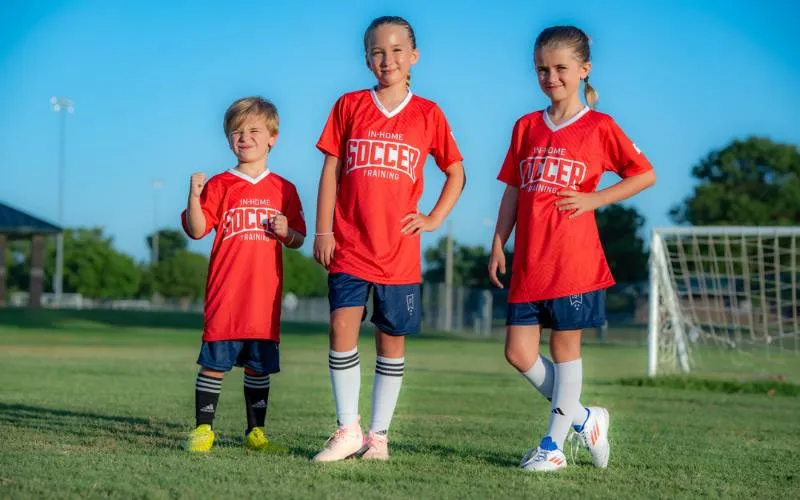
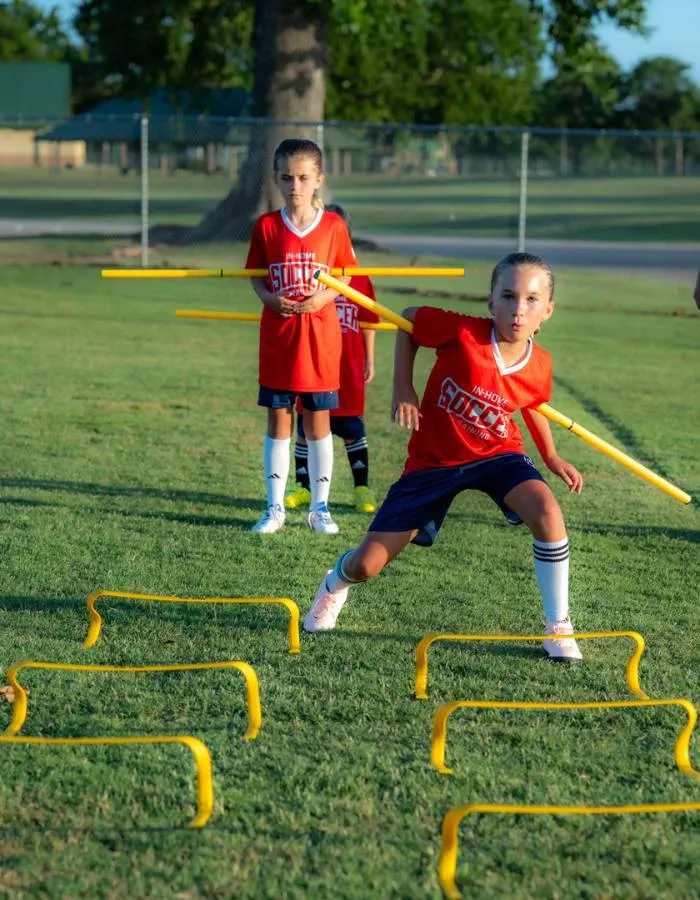
Age-Appropriate Training (7–9, 10–12, 13)
Age-based training is about providing your child the proper challenges at the right time. We make sure that every kid learns the skills and rules of the game that are suitable for their developmental stage by dividing them into age groups. This allows kids to gain confidence, improve their skills, and enjoy the game.
So whatever your kid’s skill level, we have a pathway designed for them: beginner, intermediate, advanced, and positional mastery.
You can choose the training that works best for your child, whether it’s private lessons to concentrate on specific skills or group classes to learn how to play as a team.
Soccer for Kids Ages 7–9
For kids ages 7–9, soccer is all about the “playing with my friends” stage. At this stage, kids learn the basics of the game through engaging, game-like situations. They start to understand the purpose of the game, the direction of play, and simple rules, while also exploring the fundamentals of teamwork. Our coaches are always there to assist and encourage, helping kids feel confident as they play.
This age is a beginner level, perfect for kids just starting their soccer journey. The program introduces soccer while encouraging collaboration, self-confidence, and motor skill development. Depending on their schedule, kids can choose between private sessions, group classes, or beginner pathway programs.
Skills Kids Will Learn:
- Understanding the rules of soccer
- Basic ball control
- Dribbling skills
- Passing with teammates
- Playing as part of a team
- Confidence building
- Motor skill development
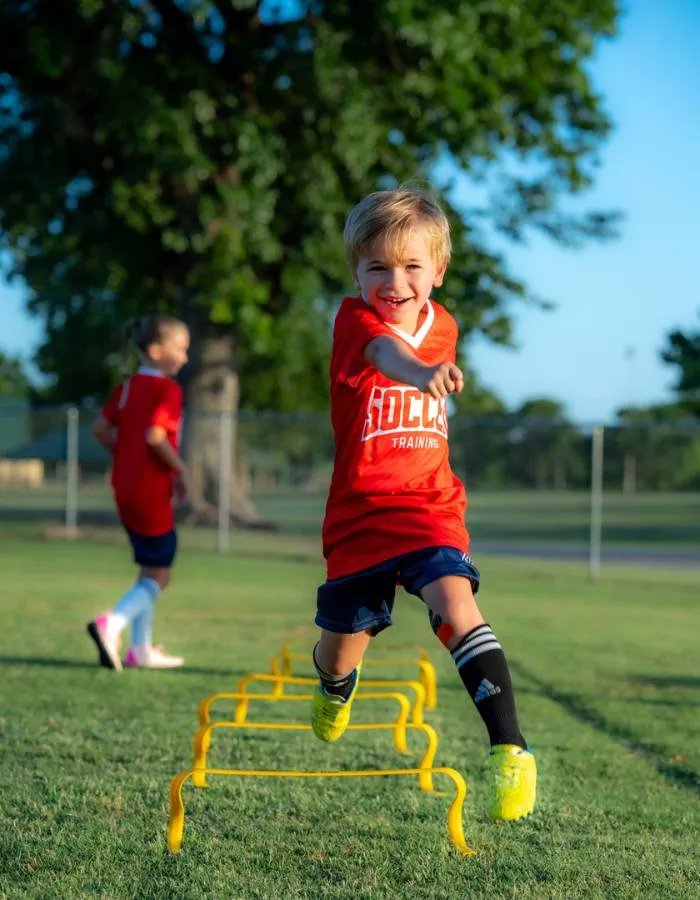
Soccer for Kids Ages 10–12
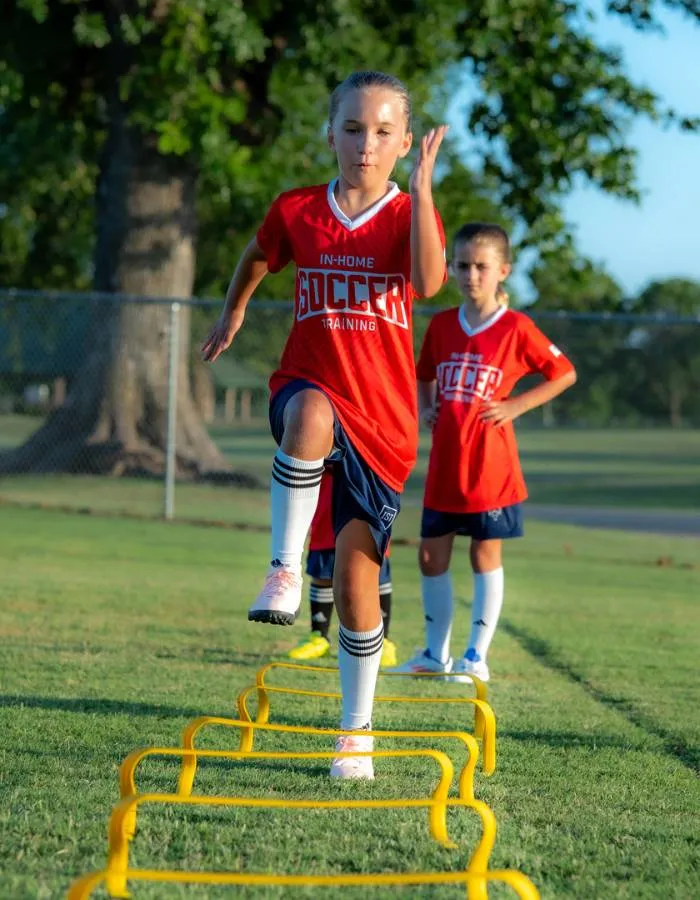
For kids ages 10–12, this age is generally considered the intermediate level in soccer. But not every child has been playing for years — in fact, many kids first start developing a real passion for the game around this time. If your child is just beginning, that’s perfectly fine. Training is always adjusted to meet them where they are, whether they’re stepping onto the field for the first time or already building their skills.
At this stage, players continue to grow their abilities, tactical awareness, and overall fitness. They also start to expand their understanding of attacking, defending, and transitioning while learning how to work more effectively as part of a team.
Depending on your child’s needs, they can take personalized lessons to focus on specific skills. We also offer the option of group training for families and friends who want their kids to learn together — siblings, cousins, or neighbors.
Kids can choose the intermediate pathway to build on what they’ve learned and keep improving at a pace that’s right for the
Skills Kids Will Learn:
- Ball control and dribbling
- Passing and shooting accuracy
- Fitness, agility, and coordination
- Teamwork and communication
- Tactical knowledge and decision-making
- Confidence on the ball
Soccer for Kids Age 13 and Above
For kids ages 13 and up, this stage is generally considered the advanced level of youth soccer training. At this point, players begin focusing on their position, their responsibilities on the team, and how their actions affect the whole game. They learn how roles and duties line up within a team and how to interact with teammates in different situations.
Most 13-year-olds quickly move to the advanced pathway where training emphasizes skills, teamwork, and competition. With improved skills, your child can also enter the positional mastery pathway as soon as the advanced level is passed. Positional mastery is where they become the best player in their role.
At that stage, your child will develop position-specific skills for both attack and defense, while observing how team structure, spacing, and coordination affect the game. You can choose private 1-on-1 sessions for customized training, or families and friends can organize group lessons if they’d like their kids to learn together.
Skills Kids Will Learn:
Attack Actions:
- Shooting, passing, and dribbling forward
- Creating passing options and supporting the attack
- Executing 2v1 or 1v1 situations
- Changing the point of attack, pace, or switching positions
Defense Actions:
- Protecting the goal
- Stealing the ball and pressuring opponents
- Keeping the team compact and balanced
- Outnumbering opponents while marking specific players or areas
Soccer Whenever, Wherever You Want
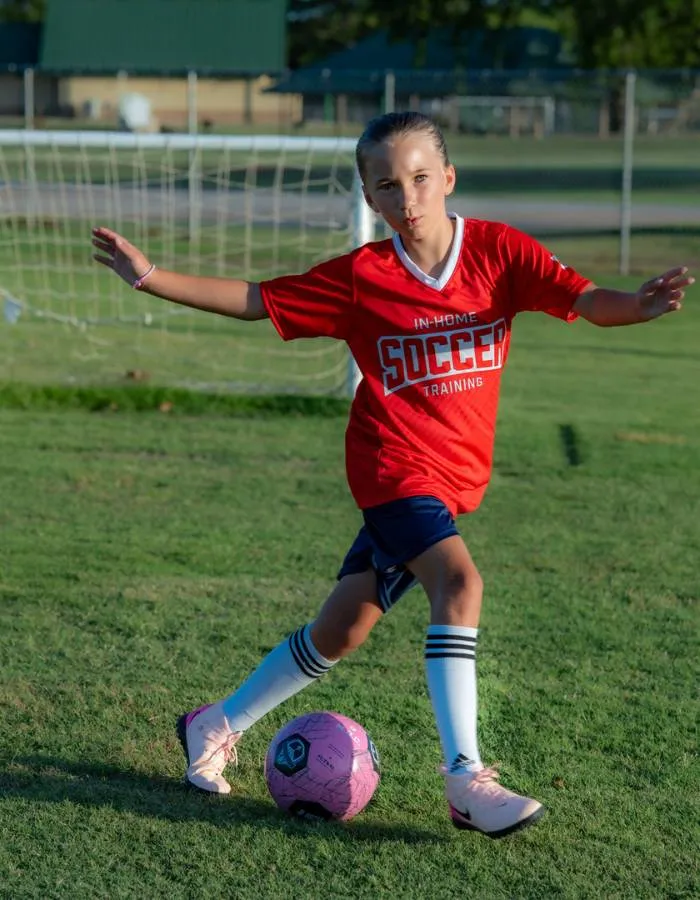
Soccer practice doesn’t have to wait for a scheduled class. Our Soccer Whenever, Wherever You Want option lets you create soccer sessions on your own terms, anytime and anywhere.
You can invite your child’s friends and build a class that works for them, making it perfect for kids who need flexibility or are getting ready for tryouts.
If your child needs extra attention, 1-on-1 private lessons are recommended. Private lessons can last 40–60 minutes or longer, depending on your child’s needs. You also decide how often they train: once, twice, or three times per week.
Not Sure yet? Start with an assessment.
It all starts with a player assessment. Tell us about your child’s goals, and we’ll help map the right pathway. You’ll also have an idea how much time each session may take. It would possibly finish right before the meal time, so your child can eat and gain back the energy.